
The fastest way to get in touch with wine is through an app that already knows what you like, but only if you are willing to trade the winemaker’s story for speed.
Vivino now deflects 95% of its support tickets through automation, which means most questions resolve before a human ever sees them.
That efficiency falls apart at the 5% threshold, when a bot cannot parse what went wrong with your order and the handoff to a person depends on how well the system was built.
Contacting Wineries Directly
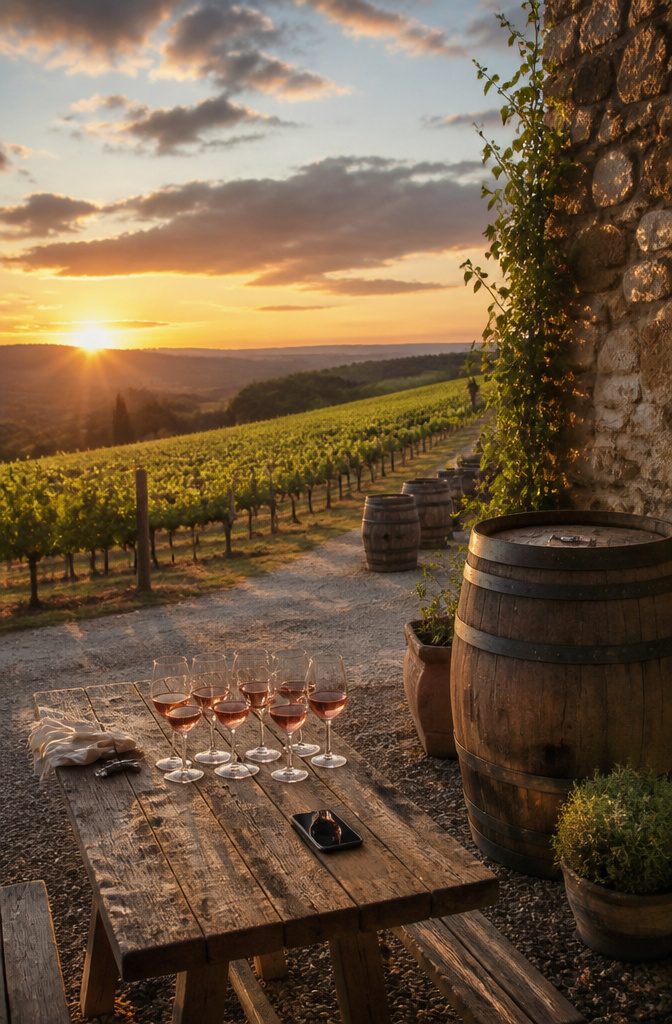
A winery can have the most photogenic vineyard in the county, rows of oak barrels stacked against stone walls, and a winemaker who speaks about skin-contact rosés like poetry.
None of it matters if someone searching at midnight cannot find a working contact form or a phone number that gets answered.
I learned this the hard way two summers ago, trying to book a tasting for six people at a Finger Lakes producer I’d heard about through a friend.
The website looked polished from a distance: big hero images, italic font for the estate name, a whole page on terroir.
The actual "visit us" link led to a PDF of a 2019 events calendar, and the Instagram bio said "DM for reservations" with responses that never came.
We drove three hours and stood in the parking lot while another group walked out holding glasses, fully booked through some channel I never found.
The wineries that get this right make booking as easy as buying shoes online. An actual calendar.
A form that autofills. Someone monitoring the Facebook messages on a Tuesday.
The ones that don’t? They rely on a kind of exclusivity that costs them more visitors than it gains them.
Social media works for contact when it is staffed, not merely present. A photogenic tasting room brings the first click; a human answering the second click brings the visitor.
Using Wine Delivery Services
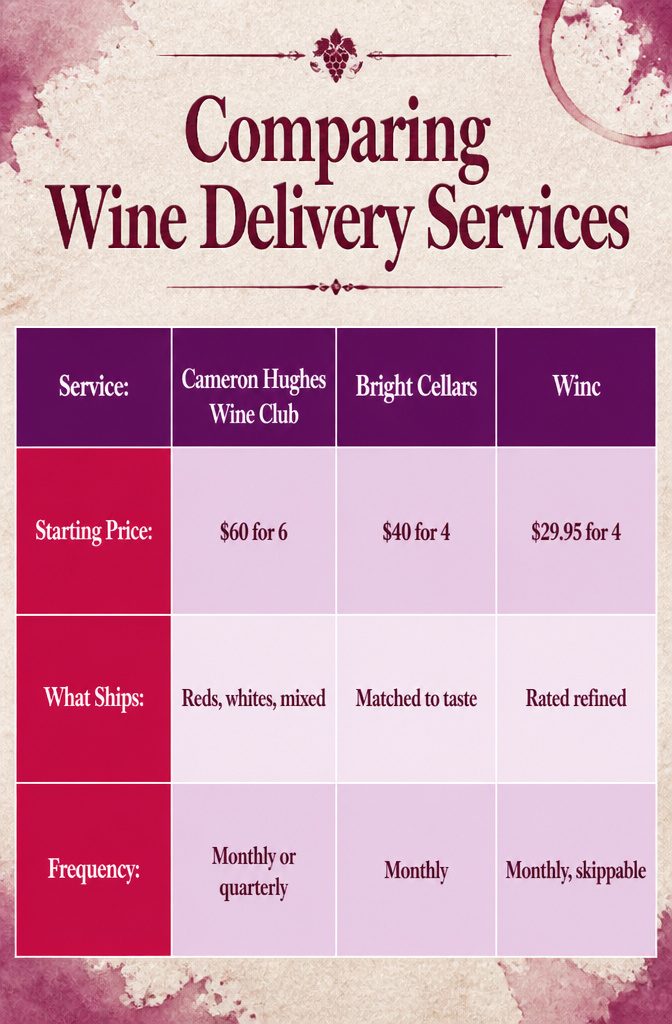
A wine delivery service lands on your porch before the week goes sideways, and that timing is the whole reason to use one. The three that keep coming up run very different plays.
| Service | Starting Price | What Ships | Frequency |
|---|---|---|---|
| Cameron Hughes Wine Club | $60 for 6 bottles | Reds, whites, or mixed | Monthly or quarterly |
| Bright Cellars | $40 for 4 bottles | Matched to your taste profile | Monthly |
| Winc | $29.95 for 4 bottles (new members) | Rated by you, refined over time | Monthly, skippable |
Cameron Hughes builds the box around volume and a longer gap between shipments.
Bright Cellars prices lower per bottle and leans on a quiz to steer the selection. Winc drops the entry cost furthest and ties your next box to how you rated the last one, so the profile tightens as you go.
Winc offers one of the most flexible wine subscription plans out there. Skip a month at any time or cancel when you’re doing dry January.
— SheKnows
That flexibility matters if your drinking is seasonal or you’re testing whether a subscription fits your routine at all.
I would start at the $29.95 Winc trial if budget is the hesitation, or pick Cameron Hughes when six bottles lasting a quarter feels closer to how you actually consume wine.
Engaging with Wine Apps
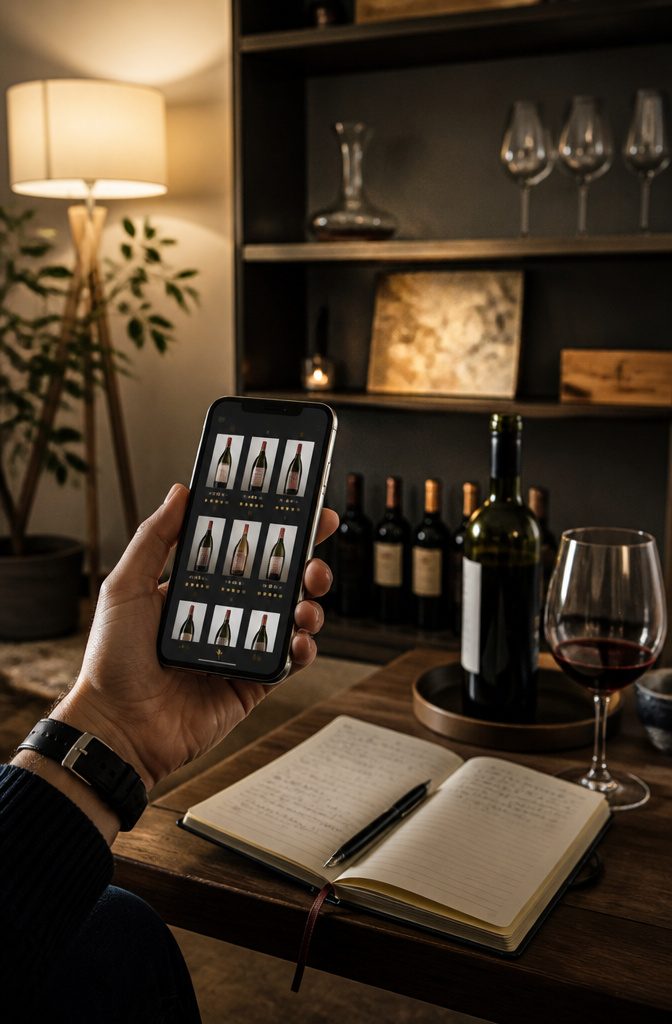
Vivino is the world’s most downloaded wine app, pulling in as many as one million page views per day.
What started in 2010 as a way to rate and learn about wine through crowdsourcing now also sells it directly, which makes "get in touch wine" a literal tap away for anyone holding a phone.
The customer experience side tells its own story.
Before reworking their system, Vivino had roughly 30 agents spread across seven contact centers, each running different platforms. Comparing something as basic as average ticket time between sites was nearly impossible.
After switching to automated support, their average ticket deflection rate hit 95%. Most questions now resolve without a human ever entering the conversation.
For someone in their regular routine who just wants a reliable recommendation and a clean way to buy, that automation is the practical win.
The app remembers what you liked, surfaces similar bottles, and handles the transaction without the friction of emailing a winery and waiting.
The downside surfaces when something goes wrong with an order that the bot cannot parse. At that 5% threshold, you do hit a wall, and the path back to a person depends on how well the handoff was built.
Comparing this to contacting a winery directly, the app trades personality for pace.
You will not learn the winemaker’s name or hear why the 2019 was rainier than the 2018. You will, however, have the bottle ordered before your coffee cools.
Participating in Wine Events
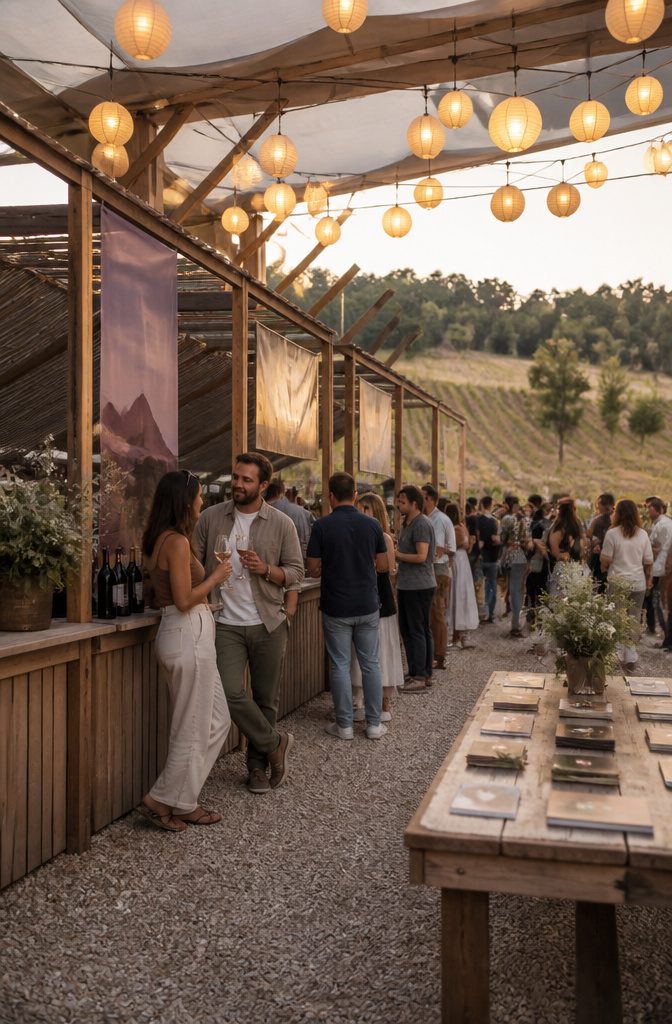
A local wine festival puts a face to the label in a way that an email never will.
I walked up to a small producer’s booth three summers ago, expecting a quick pour, and left two hours later after the winemaker tore down a map of her vineyard and walked me through every slope.
The tasting happensthe tasting happens at the table, but the relationship starts in the second or third pour, after the script is off and you are asking about a vintage that split the harvest in half.
Smaller events reward the extra effort of finding them. A neighborhood tasting under a tent costs less than a cross-country weekend and often draws the younger producers who still pour their own wine.
Ask about the vintage everyone is hedging on, or the grape the region used to grow before the market shifted. They notice.
Leave the winery brochure at the table. The follow-up is a text or call to the number on the business card, mentioning the bottle they set aside for you or the blending session they mentioned was coming in November.
That specificity proves you were paying attention, which is the only currency that matters.
Joining Wine Clubs
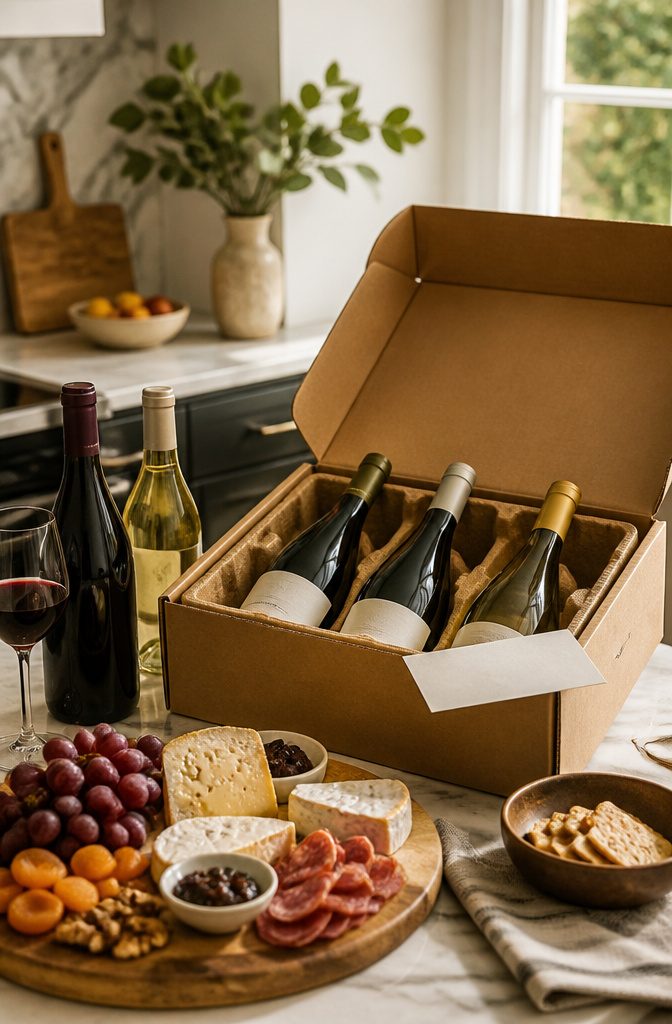
Wine clubs turn a casual bottle purchase into a standing relationship with a winery or curator.
The membership itself is the handshake: you pay a set fee, and the winery sends selections at intervals you choose, often months before those wines reach retail shelves.
Cameron Hughes, for instance, starts its six-bottle white deliveries at $60 and lets members pick monthly or quarterly shipping, reds or whites or a mixed case.
Wine Access runs a different model, with sommelier-selected seasonal collections that occasionally partner with restaurant wine directors — one recent holiday release involved the head sommelier from Per Se — and bottles there start around $12.
The real draw is the access members get that casual shoppers do not. Limited releases, library vintages, and invites to winemaker events tend to flow through these clubs first.
For anyone typing "get in touch wine," the club structure does the reaching out for you: the winery knows your name, your palate, and when to put something rare in your path.
Subscriptions run parallel, though the club format usually carries the tighter curation and the exclusivity.
Online Presence of Wineries
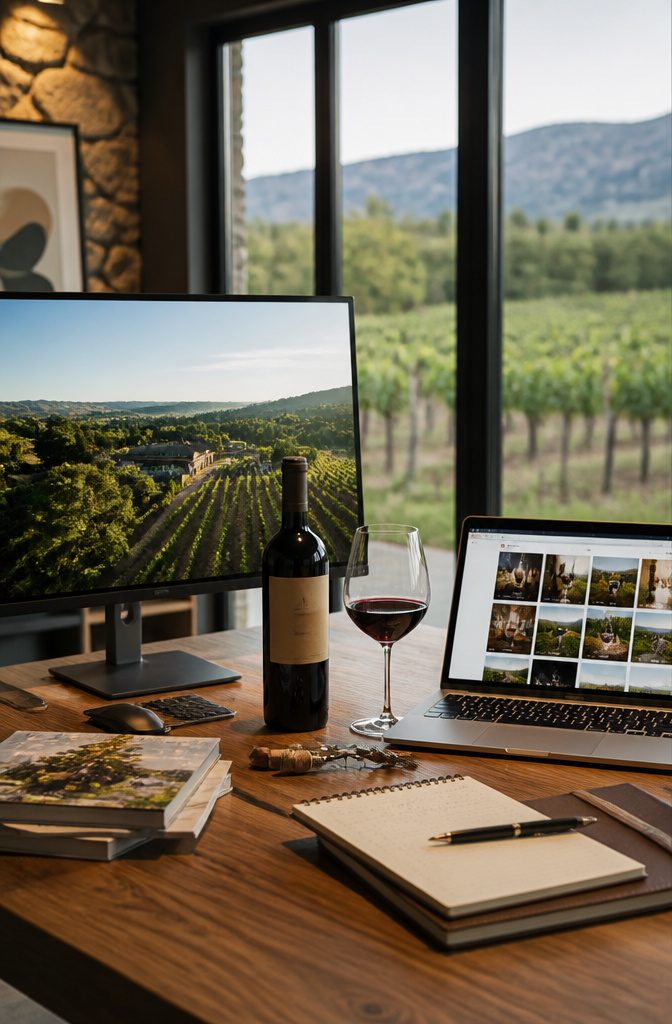
A winery’s tasting room could have a beautiful mahogany countertop flanked by oak barrels, but none of it matters if someone searching at 10 PM on a Tuesday can’t find the place online.
The internet is where almost every first interaction with a brand now happens, and most wineries still operate like the phone book era never ended.
The photogenic ones figured this out early.
Vineyards at golden hour, wine labels with stories behind them, winemakers talking through skin-contact rosés on video; these posts do the heavy lifting of making a stranger want to drive two hours for a tasting.
What separates the places that fill their calendars from the ones with empty parking lots is how easy they make the next step.
A website that buries the booking link three menus deep loses people. One that lets a visitor reserve a time to talk with a sommelier in two clicks keeps them.
There are two ways to approach this. Some wineries treat their digital presence as a brochure; pretty pictures, contact form, done.
Others build it as a functioning storefront: book the tasting, book the tour, book the cottage stay, all without an email back-and-forth. The second approach wins for anyone actually trying to get in touch.
Wine Tasting Experiences
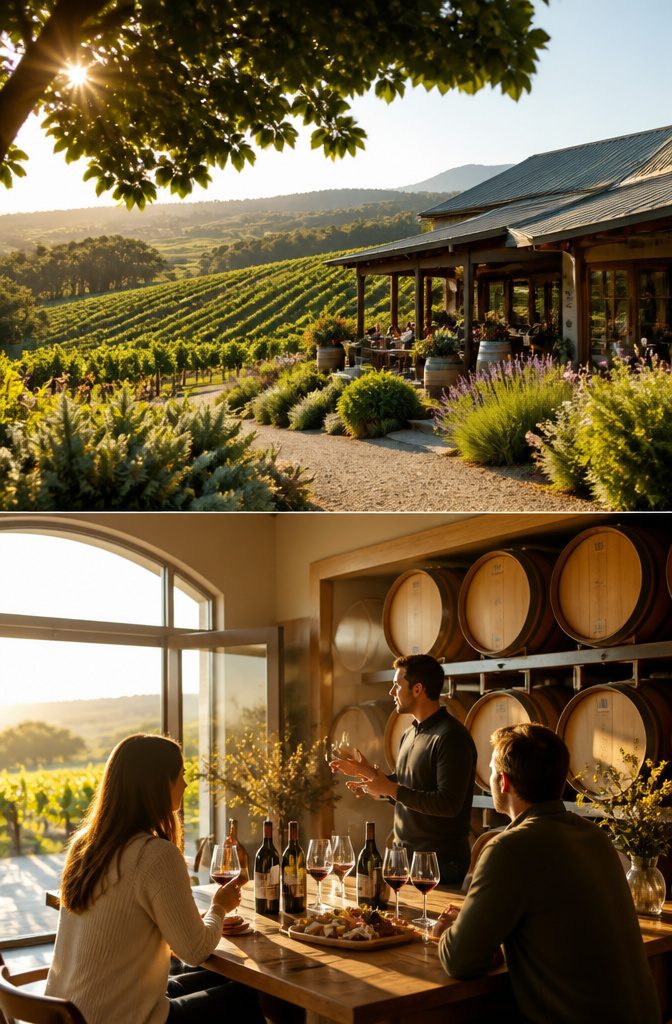
A tasting at a working winery beats any bar pour because the context shifts what you actually taste. I’ve sat through enough flights to know the difference.
When the person behind the wine walks you through the vineyard rows you just passed, or the oak source for that Chardonnay, the flavor notes stop being abstract and start mapping to something you can see.
That connection is what makes a tasting worth the trip.
The best experiences I’ve watched others plan around have one thing in common: specificity.
A winery that pairs its oaked Chardonnay with oysters and arugula salad, or that schedules time with the head winemaker after the vineyard tour, gives you a reason to choose it over the ten others in the same region.
Cottage-style accommodations on-site turn an hour visit into an overnight memory. The difference between a tasting you forget and one you book again is whether the winery designed it for someone like you.
Handling Wine Order Problems
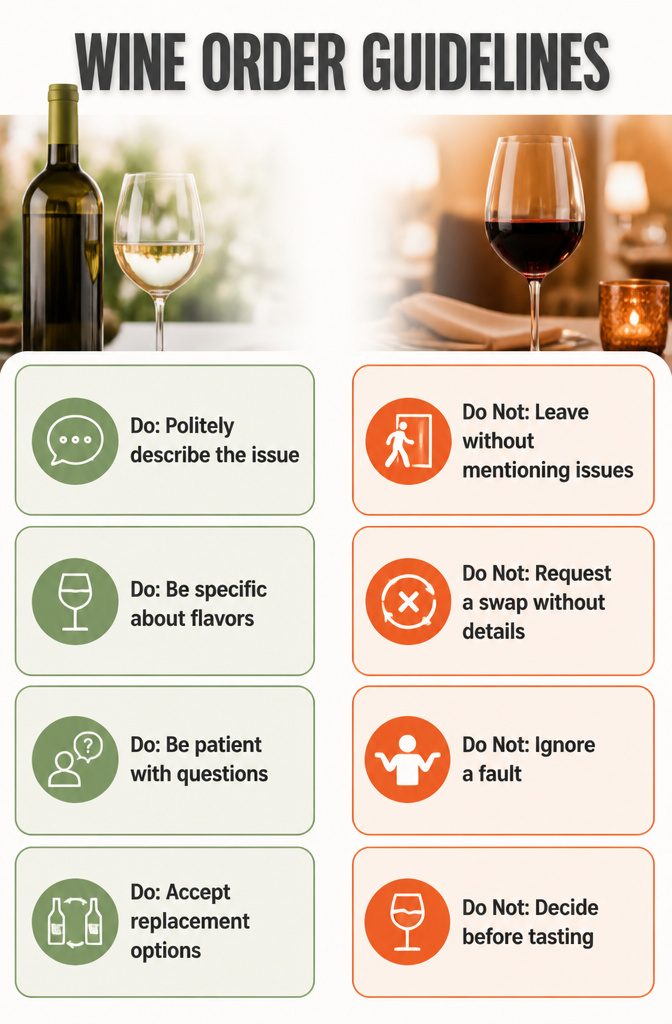
A faulty bottle at the table is not a disaster.
Cork taint, heat damage, or oxidation happen in transit and storage, and any sommelier worth the title has seen it before. The move is simple: politely describe the situation to your server or sommelier and request a replacement bottle.
Specificity helps more than confidence. "This tastes like wet cardboard" or "the fruit is completely flat" gives the staff something to work with, and most want you drinking something you enjoy rather than leaving the glass untouched.
If the wine is simply not to your taste, the ground shifts. Some professionals will swap it regardless; others feel strongly that dislike alone is not reason enough to send it back.
The ones who will help you most need the same detail either way. Too oaky, too acidic, too sweet, tannins that overwhelm the steak you ordered: that information lets them steer you toward something that actually fits.
Patience with follow-up questions is part of the exchange. They are narrowing the field, not interrogating your palate.
The replacement itself can be the same bottle or something completely different. Either way, you want a glass you want to finish, not a lesson in fault detection.
Wine Education Basics
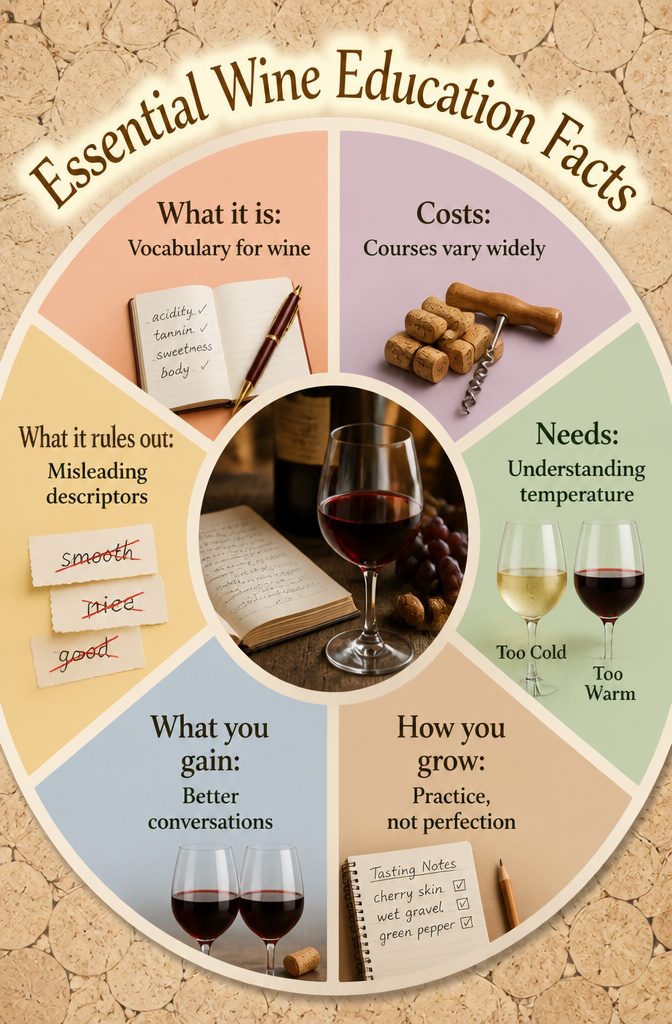
Wine education builds the vocabulary you actually use when you get in touch with wine people.
My first club shipment left me stuck because "smooth" was the only descriptor I had. The basics, acidity, tannin, sweetness, body, gave me enough to ask a real question instead of nodding along.
Temperature taught me the most.
A white pulled straight from the fridge shows freshness and flavor; the same wine warmer reads softer, sometimes flatter. I learned this by serving the same bottle twice, not from any course.
Reds need the opposite treatment: too cold and the tannins turn harsh, almost sandpapery. When I called a winery about their Sangiovese, I could mention that astringency and get a useful answer about their cellar recommendations.
The aroma card approach works faster than I expected. Naming what you smell, cherry skin, wet gravel, that green pepper note, turns a generic tasting into a conversation.
Wineries respond differently when you speak their language. Not performatively, just specifically enough that they trust you with the interesting stuff, the experimental cuvée, the back-vintage they have not listed.
Frequently Asked Questions
How do I contact a winery?
Most wineries accept direct contact through their websites and staffed social media channels.
The ones that fill their calendars make booking as easy as buying shoes online: an actual calendar, a form that autofills, and someone monitoring messages during business hours.
Calling or messaging when a winery is actively staffed will always work better than a DMed Instagram account no one checks.
What are the best wine delivery services?
Cameron Hughes starts at $60 for six bottles shipped monthly or quarterly, Bright Cellars runs $40 for four bottles matched to your taste profile, and Winc opens at $29.95 for four bottles with flexible skipping.
Cameron Hughes suits anyone who wants volume and less frequent shipments; Winc fits if you want the lowest entry price and the freedom to pause; Bright Cellars sits in between with its quiz-driven matching.
How can I participate in wine tastings?
Book through a winery’s website if they make reservations simple, or hunt down smaller local festivals where younger producers often pour their own wine.
The best tastings happen when you ask specific questions about vintages or grapes after the scripted pour ends.
Follow up with a text or call that mentions something particular they said or set aside; that detail turns a tasting into a relationship.
What should I do if I receive a faulty bottle of wine?
Describe the problem directly to your server or sommelier and ask for a replacement.
Phrases like "wet cardboard" or "completely flat fruit" give them concrete evidence of cork taint or oxidation, and most professionals would rather see you drinking something you enjoy than leaving a flawed glass untouched.
Dislike alone does not always earn a swap, but a clear explanation of why the wine clashes with your palate still helps them steer you toward a better match.
How do wine apps help you get in touch with wine sellers?
Apps like Vivino sell wine directly, so tapping a bottle listing literally puts you in touch with inventory. Automation now resolves 95% of support questions before a human gets involved, which means ordering takes minutes instead of days.
What you give up is personality: you will not hear why the 2019 was rainier than the 2018, but your coffee will still be hot when the order is placed.
How to get into liking wine?
Start by building a basic vocabulary around acidity, tannin, sweetness, and body so you can ask real questions instead of calling everything "smooth."
Serve the same bottle at different temperatures and notice how the same wine reads fresher cold and softer warm.
Name what you smell, cherry skin, wet gravel, green pepper, and wineries will trust you enough to offer the experimental or back-vintage bottles they never list.