Brown hair color runs from silvery mushroom to near-black espresso this season, and the difference between a shade that flatters and one that clashes comes down to undertone.
Cool skin pulls brassy fast in ash formulas without toning every four to six weeks, while warmth in chocolate and cinnamon browns turns orange on the wrong face.
The Garnier Color Shield line and L’Oréal EverPure Bond Repair+ system are what most colorists name first for holding the tone you paid for.
1. Ash Brown
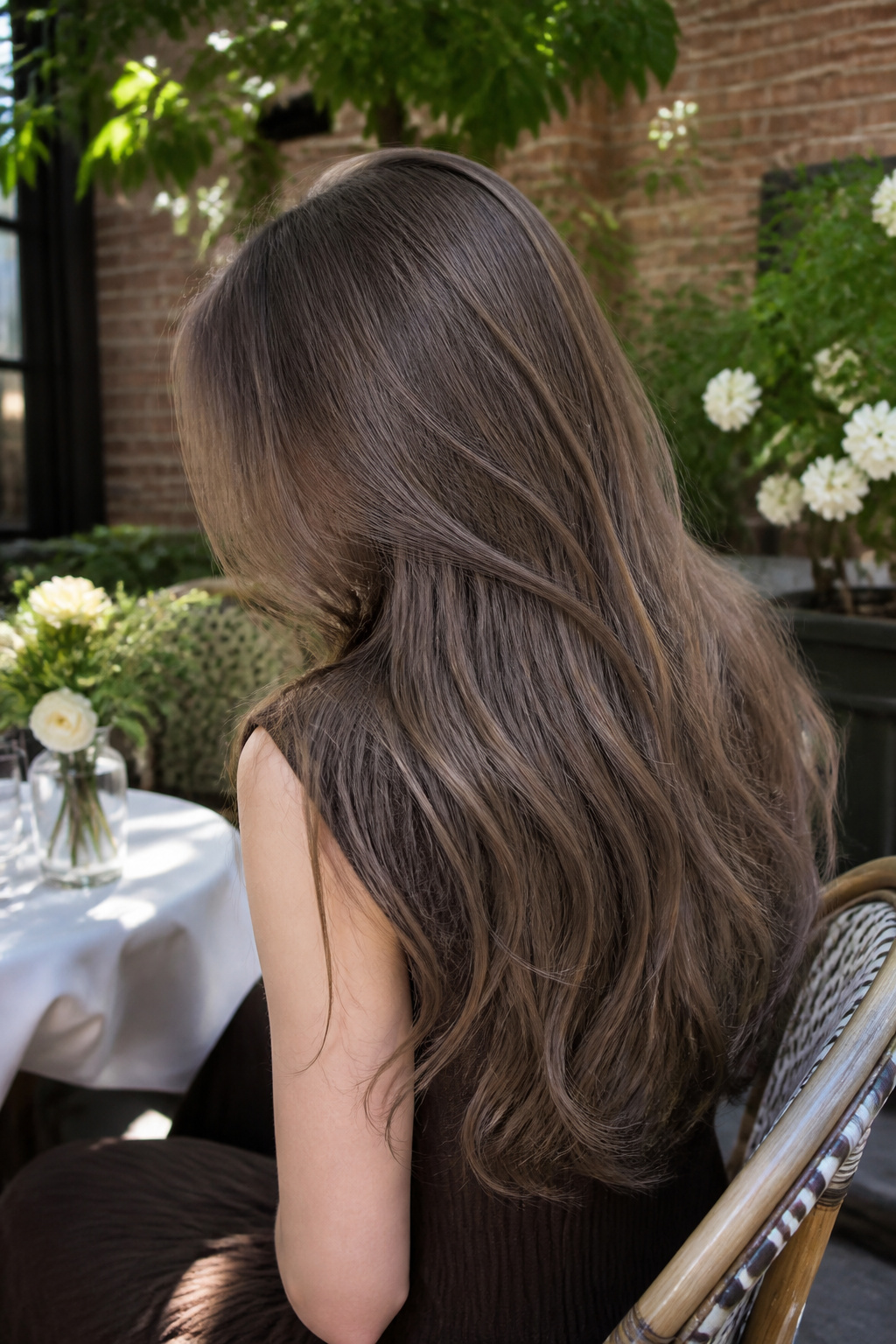
Ash brown sits right where cool meets practical: a smoky light brown that strips out the warmth and yellow most brunettes fight against. For anyone with cool undertones, the match is immediate.
The shade reads muted and modern rather than sun-kissed, which is exactly the point.
The maintenance is where the romance meets reality. After a few washes, ash brown can shift brassy as the underlying pigment warms back up.
Toning every four to six weeks keeps the cool cast intact, and a color-depositing gloss in a cool brunette range helps stretch that window.
I have watched this shade work best on people transitioning from blonde; the sandy, dirty-blonde roots make the shift feel like a natural step down rather than a hard break.
Pale complexions and light eyes carry it especially well, though the undertone rule matters more than either. Skip this one if your skin pulls golden.
The clash is real, and no amount of ash in the formula overrides it.

L'Oreal Paris Excellence Cool Supreme hair color offers 100 percent gray coverage, even on stubborn grays
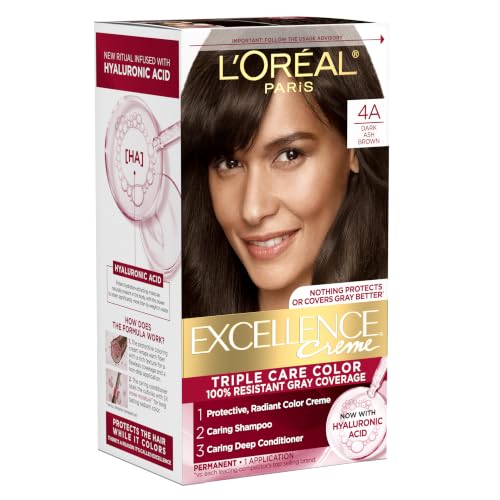
Nothing Covers Gray Better: Excellence Crème is a Triple Care Color routine that deeply cares for your hair and covers 100% of grays, even stubborn ones. Hair color for gray hair coverage is formulated with Hyaluronic Acid to protect hair as it colors
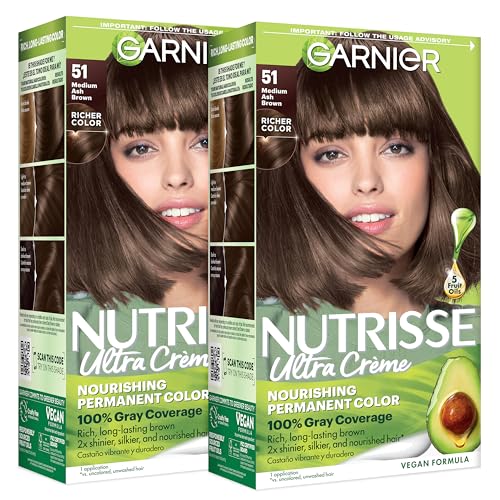
100% Gray Coverage & Rich, Vibrant Permanent Color: Our permanent hair color lasts up to 8 weeks and covers salt-and-pepper grays beautifully. See best results with starting hair color that is within 2 shades of the target color
2. Bronde
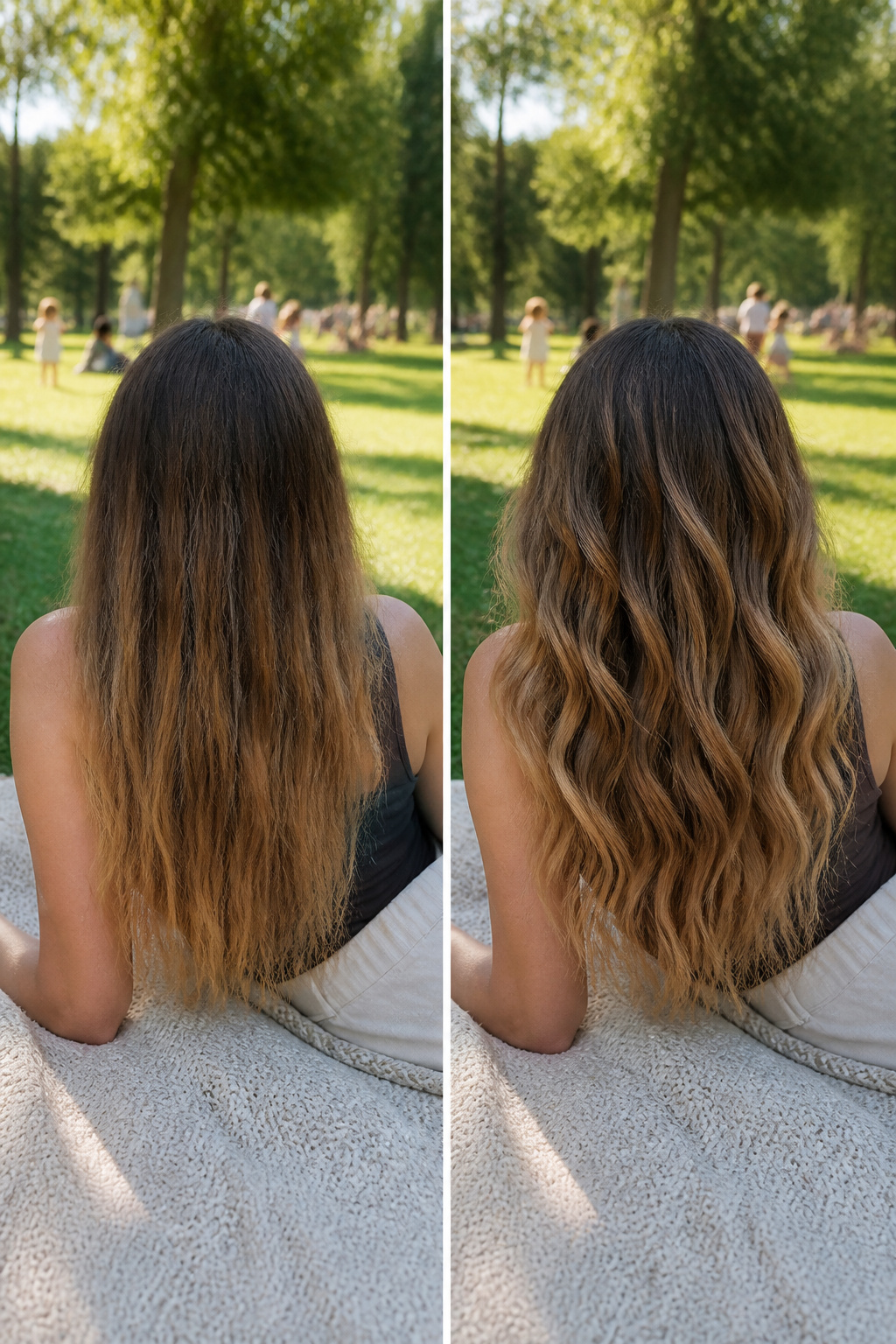
Bronde sits in the middle space that makes people squint to decide whether your hair is brown with light catching it or blonde that forgot to commit.
The mix runs roughly 60–70 percent brown with the remainder lifted to blonde, enough warmth to keep it reading as brunette under indoor light but shifting noticeably in sun.
What the salon delivers versus what the box promises is where this shade earns its reputation for frustration.
A colorist builds the blonde in sections, choosing cooler ash or warmer caramel depending on skin tone, so the result looks intentional rather than grown-out.
The box kits, including the L’Oréal Paris Superior Preference line in Cool Light Brown, can hit the tone but not the placement; you get uniform color where bronde needs variation to look like anything at all.
Purple shampoo becomes non-negotiable once the blonde is in, brass being the usual way at-home bronde announces itself as a mistake.
Cooler complexions need that silvery ash to avoid looking sallow; warmer undertones pull caramel without tipping into full honey blonde.
Wavy textures and pixie cuts both carry it well, the dimension doing more visible work where the hair moves or sits close enough to study.

Color-enhancing shampoo brightens and refreshes blonde, highlighted and silver hair.

Item display volume 250.0 milliliters

Toning Sulfate Free Shampoo: Maintain your perfect blonde with EverPure's Sulfate Free Brass Toning Purple Shampoo that hydrates and neutralizes brassy yellow and orange tones in blonde, bleached, highlighted and silver hair
3. Chocolate Brown
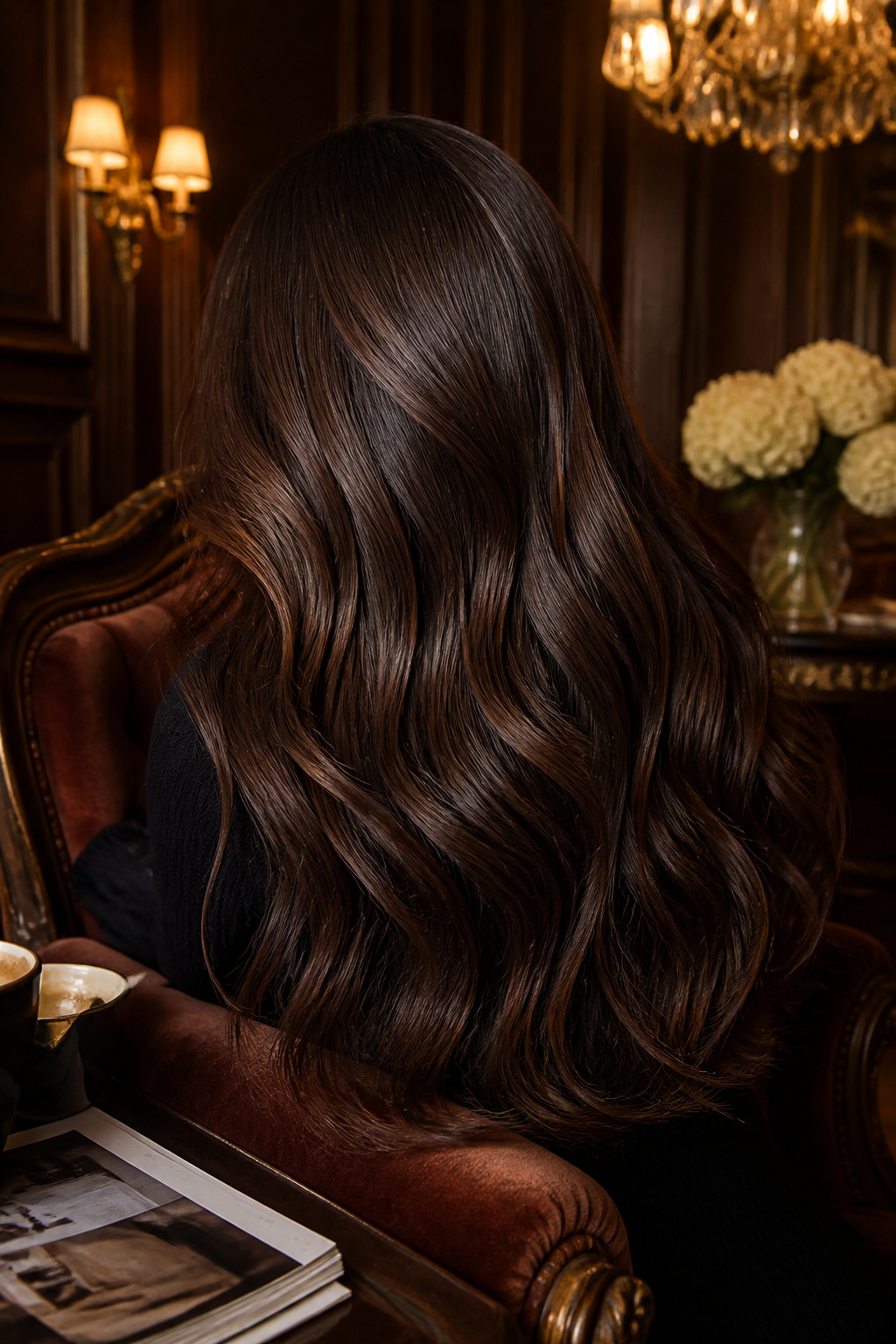
Chocolate brown carries the kind of warm cocoa undertones that make olive and warm skin tones look lit from within rather than washed out.
The depth comes from a dark brown base threaded with ultra-fine glimmers of gold and bronze, which is why it catches light so differently than a flat, single-process brunette.
Sulfate-free shampoo matters here more than with cooler browns; the warmth in this shade stays manageable and rich if you skip the stripping lather, but left to standard drugstore formulas, it can shift toward orange within a few weeks.
I have watched enough color appointments to know that clients who commit to the gentler wash routine keep that dark chocolate depth for the full eight weeks, while the ones who don’t are back in four, asking what happened to the richness they paid for.
The fade is gradual and warm rather than ashy, which is forgiving, but it is still a fade you can slow down with the right products.
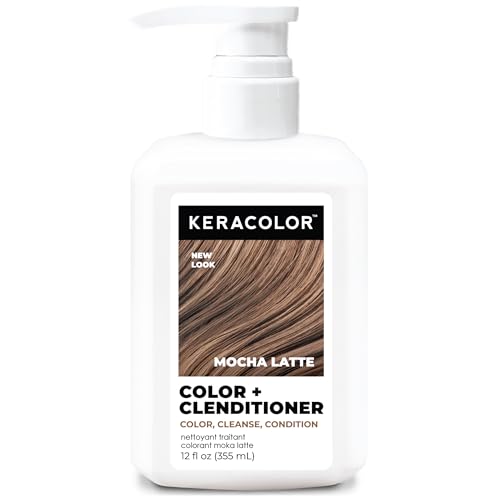
Vibrant Auburn Color: Deposits rich Auburn tones with each wash for a refreshed or transformed look

NOT FOR BLEACHED OR CHEMICALLY LIGHTENED HAIR: Supergloss is not formulated for grey, bleached, chemically lightened, or severely damaged hair. It is specifically formulated for natural, virgin hair.

Toning Hair Gloss for Highlighted Hair: Enhance hair color and tone, neutralize and correct brass, boost shine and deeply condition with this one-step toning gloss that leaves hair looking unbelievably healthy, with a fresh hint of color
4. Espresso Brown
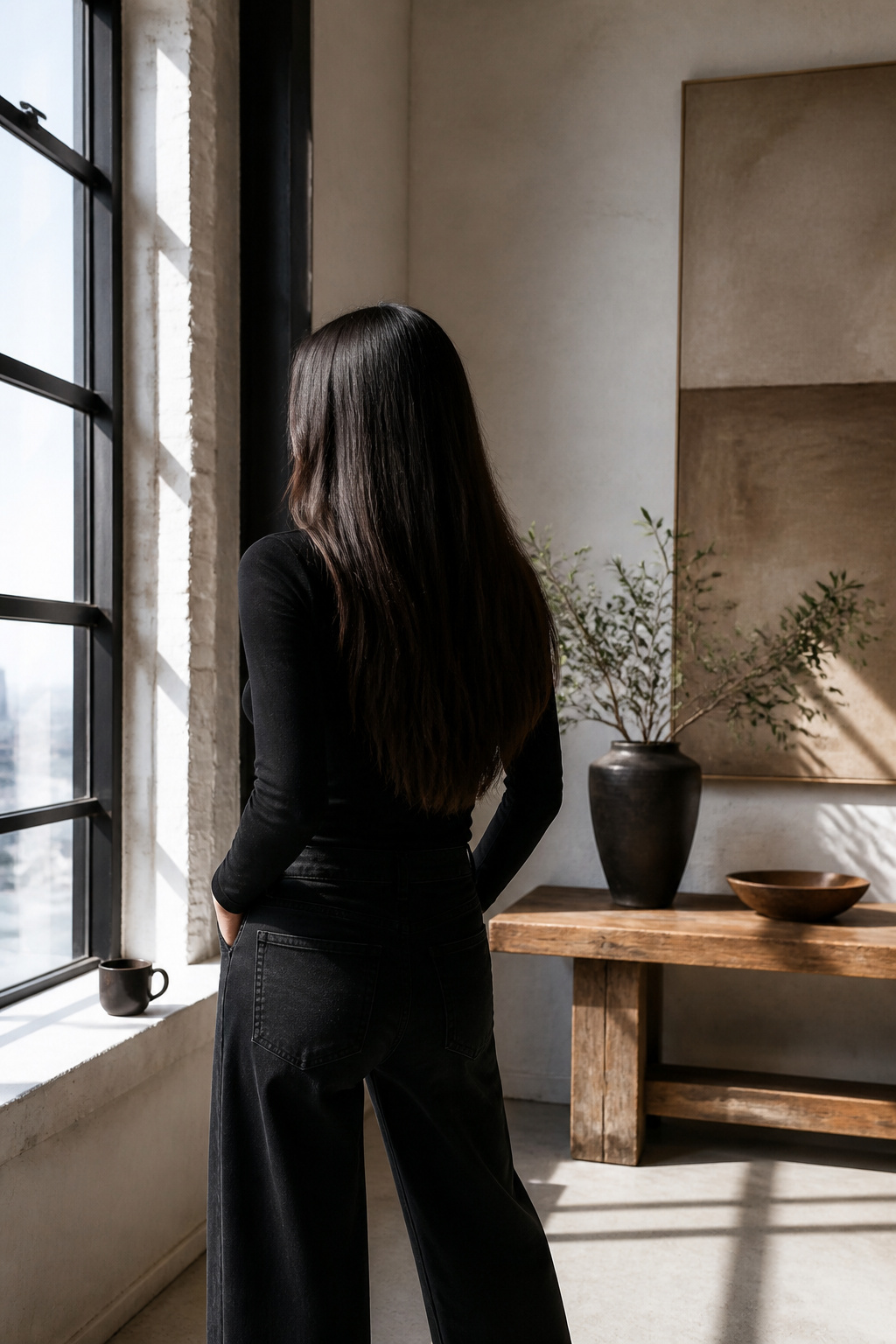
Espresso brown sits right at the edge of black without fully crossing over, a cool, coffee-ground depth that reads dramatic under direct light and disappears into shadow indoors.
On naturally lighter hair, this shade demands the highest commitment level of any brown on this list: the contrast between your root growth and the dyed lengths becomes visible within two to three weeks, and the solid, uniform darkness leaves nowhere for regrowth to hide.
The cool tone is the other battle. Water, sun, and even heat styling push most brunette dyes toward warmth over time, and espresso’s near-black base makes that slide especially noticeable when it happens.
You will likely see red or auburn tones surfacing around weeks four to six unless you are using a color-depositing conditioner or a permanent formula designed to resist fading for up to eight weeks.
Pairing this shade with deeper skin tones creates harmony; on pale complexions, it delivers stark contrast that can wash you out or look striking depending on your tolerance for drama.

Nourishing Color: Designed to help protect relaxed and natural hair while coloring, this conditioner is infused with 3 fruit oils shea, avocado and olive to provide intense nourishment from root to tip.

Wella colorcharm’s Liquifuse Technology saturates each strand for excellent gray coverage providing up to 43% more shine (vs. untreated hair).

Introducing New WELLA COLORCHARM Permanent Cream Hair Color - the perfect harmony of color and care.
5. Cinnamon Brown
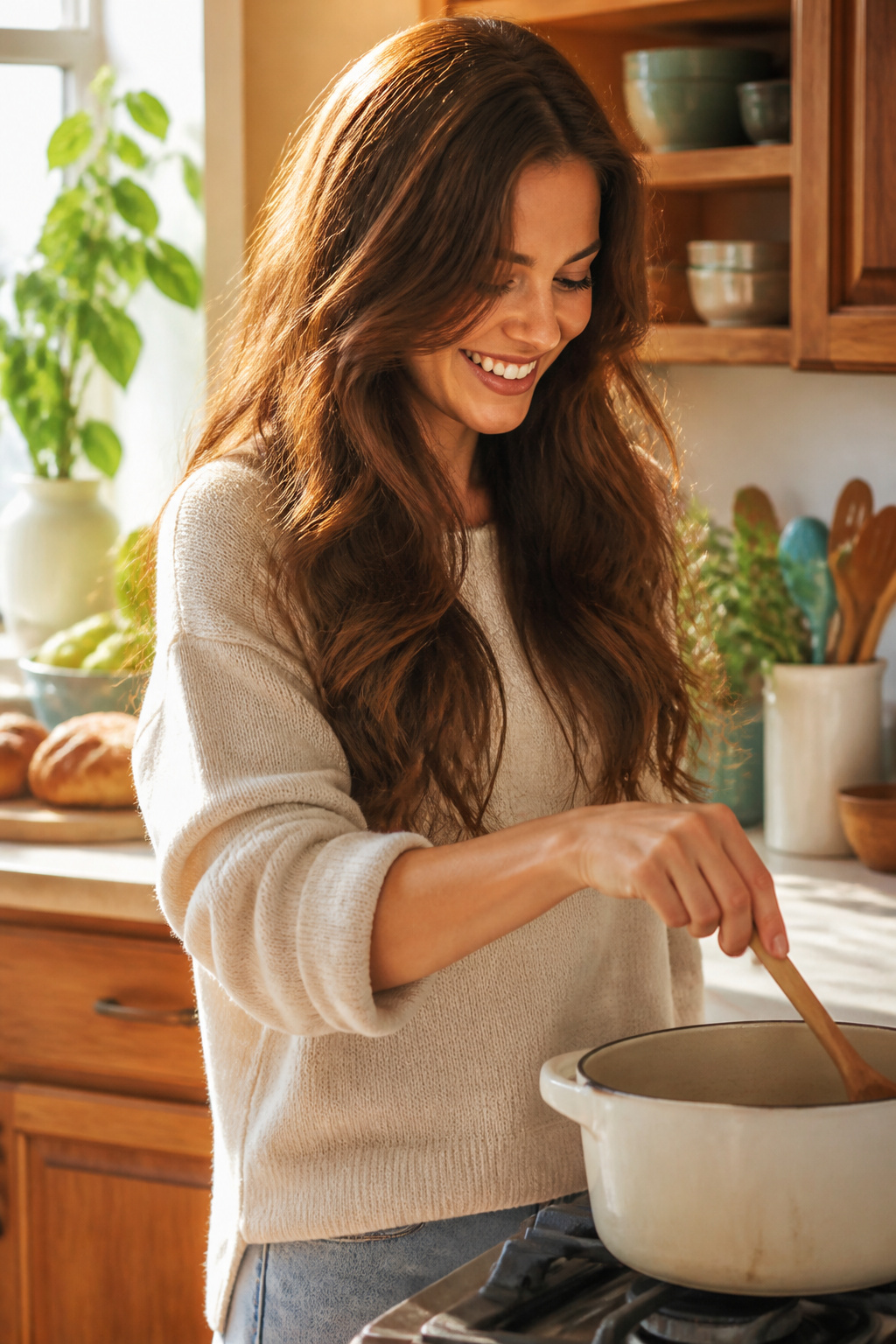
Cinnamon brown carries enough red to warm the face without tipping into full auburn territory, which is why it lands so well on complexions that already read warm.
The golden undertones in the skin pick up the pigment rather than fight it, something cooler browns never quite manage on the same faces.
The red base does shift faster than ash or mushroom browns. Sun exposure accelerates this, washing the tone toward something brassier and less dimensional.
What starts as a rich, spicy brown can flatten into a single-note orange inside a summer of unprotected afternoons.
That faster fade means more frequent refresh appointments than you’d need with a cooler formula. The trade is visible warmth; the cost is upkeep.
If you want the dimension to last, lukewarm showers help slow the bleed, though the red undertone will still move quicker than neutral or ash alternatives.
For a softer grow-out, cinnamon balayage woven through natural color keeps the maintenance lower while the warmth stays concentrated where the light hits.

Clairol Nice'n Easy 3 Brown Black. Permanent natural looking color with 100% gray coverage.

Feria Is Multi-Faceted Permanent Hair Color: Known for shimmering color and edgy colors, Feria permanent hair dye kits transform hair from blah to brilliant; Our multi-faceted shimmering hair dye with 3X highlights delivers intensified, brilliant results

Enhance your look with rich, radiant color and glossy, gotta-have-it shine
6. Mushroom Brown
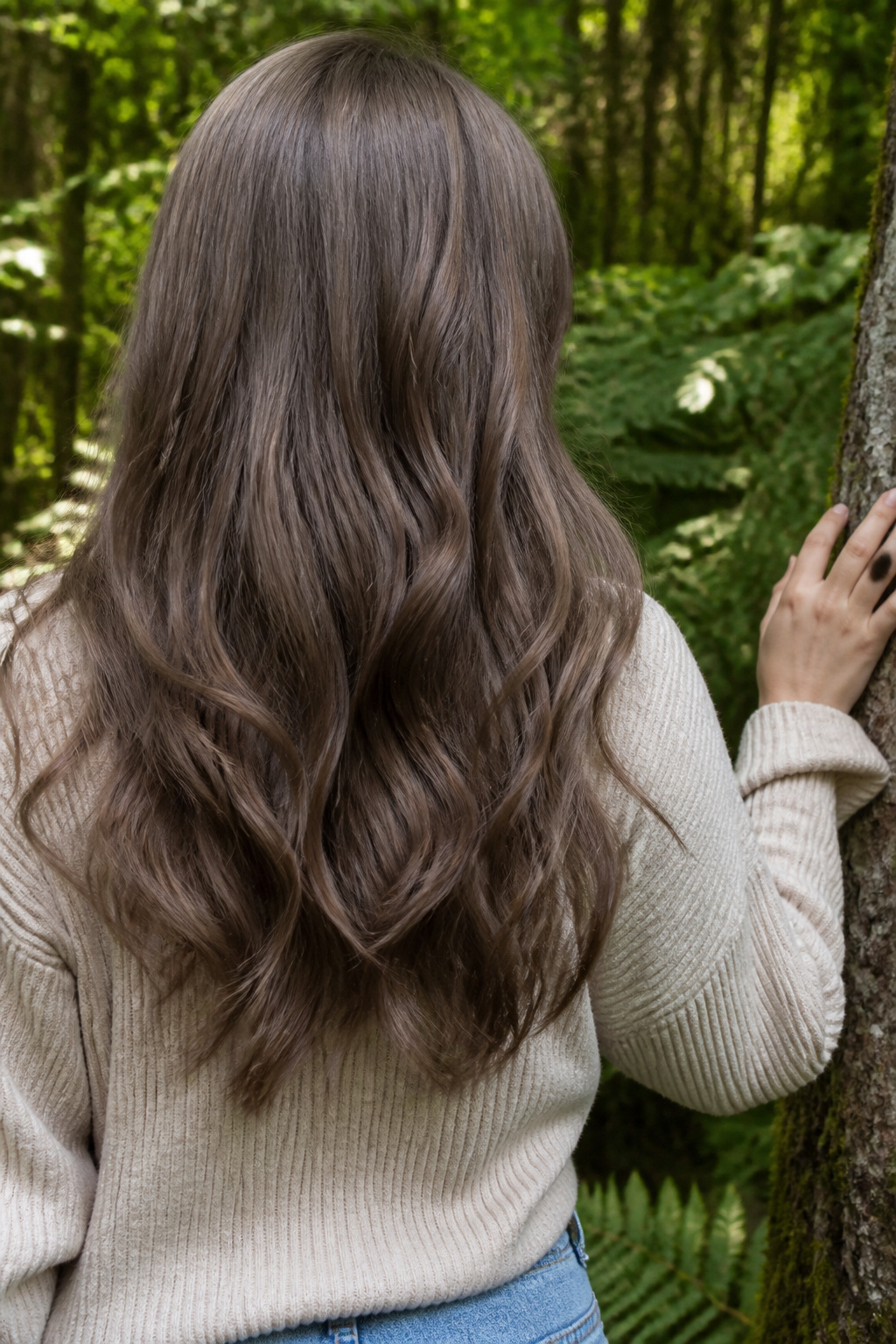
Mushroom brown sits right where cool meets earthy: a medium brown with a distinct silvery cast that reads ashy without tipping fully into gray territory.
The gray undertones here are deliberate, not accidental, and they shift how the color lives on hair over time.
Where ash brown stays flat and matte, mushroom brown layers silver and gray tints together for something more dimensional. The result is subdued rather than stark, a cooler brunette that still holds warmth in its depth.
The gray component does real work as the color ages. Rather than fading brassy or muddy, the silvery notes keep the tone in check longer, letting the grow-out stay on the cooler side of the earthy palette.
It resembles gray hair but stops short of committing fully, which is exactly why it reads modern rather than accidental.
Straight, shiny hair shows this off most dramatically, though the shade itself works across textures. Cooler complexions wear it most naturally; warmer skin can balance it with mixed-in warm highlights rather than wearing the tone head-to-toe.
Going from a darker base takes commitment, the kind that usually means bleach, though mushroom-colored balayage or ombré offers the same effect with less upkeep.

Nothing Covers Gray Better: Excellence Crème is a Triple Care Color routine that deeply cares for your hair and covers 100% of grays, even stubborn ones. Hair color for gray hair coverage is formulated with Hyaluronic Acid to protect hair as it colors

Nothing Covers Gray Better: Excellence Crème is a Triple Care Color routine that deeply cares for your hair and covers 100% of grays, even stubborn ones. Hair color for gray hair coverage is formulated with Hyaluronic Acid to protect hair as it colors

Find Your Superior Preference Signature: Our new and improved Superior Preference Permanent Hair Color creates rich, luminous, fade-defying hair color for gray hair coverage, radiance and conditioning for up to 9 weeks. Suitable for all hair types
7. Chestnut Brown
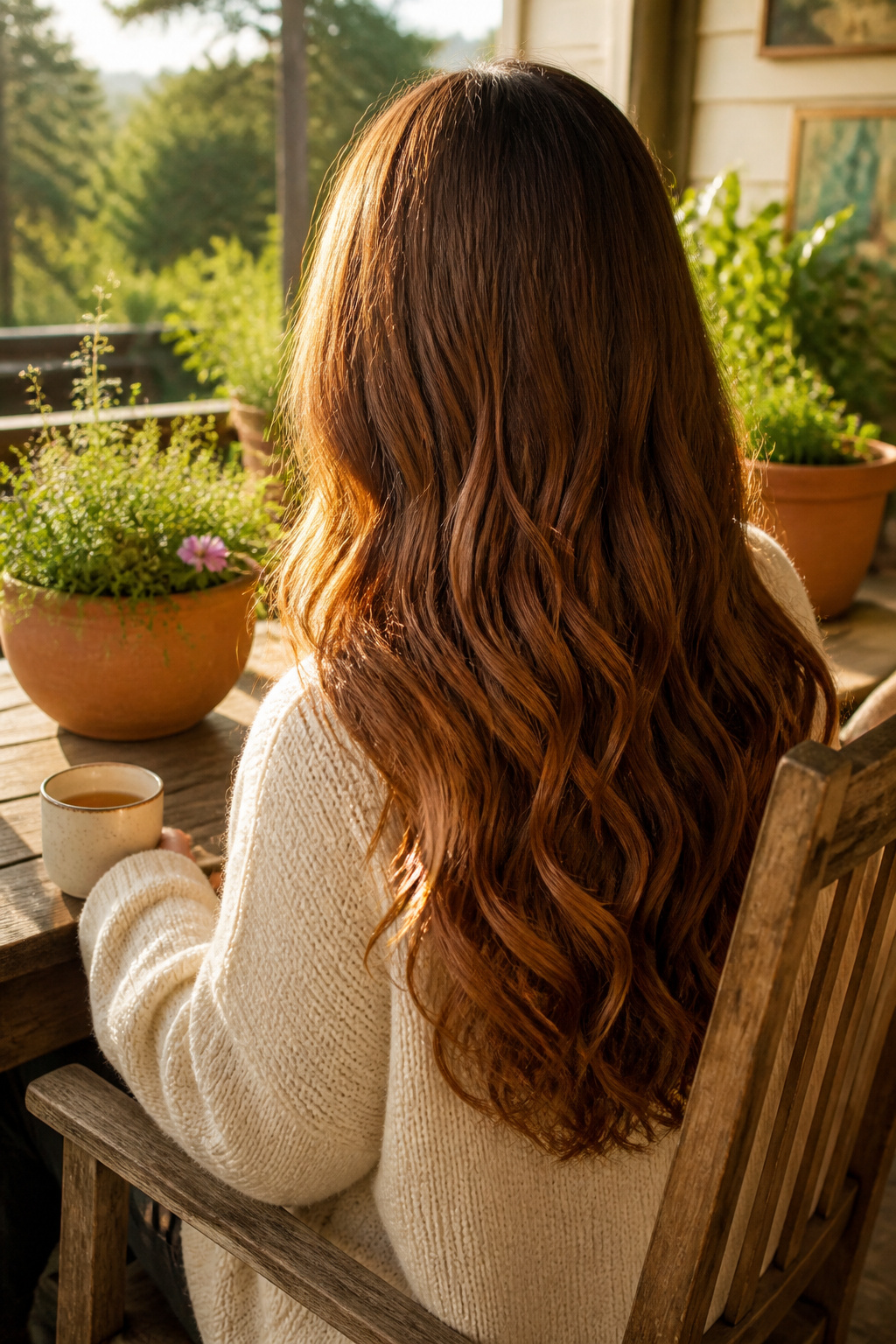
Chestnut brown lands in that rare middle space where the warmth flatters without overwhelming, which is why it works across so many skin tones.
The amber and golden undertones catch light differently than ashier browns, adding a subtle glow rather than a flat wash of color.
Sources note it pairs especially well with brown or green eyes, though the real flexibility comes from how that red warmth stays restrained, never tipping fully into auburn territory.
On previously lightened hair, the tone behaves differently than it does on virgin strands.
The lifted base drinks in those golden undertones and can turn brassy if the underlying pigment runs warm, so the final result skews more golden chestnut than true medium brown.
Lisa Rinna’s version shows one way to manage this: darkened roots with lowlights woven through layers, which gives the eye somewhere to rest and keeps the warmth from reading as one loud note.
For an all-over application on bleached hair, expect the shade to pull lighter and more golden than the box suggests, and plan on needing a tone refresh sooner than you would with a neutral brown.
The sombre technique, fading from dark to light in soft transitions, also plays well here if your skin runs cool but you still want that sun-kissed warmth without harsh contrast.


“I wanted to create a purple shampoo that is great for toning blondes + brunettes and is also sulfate-free...I’ve always had a hard time finding that combo. If you like ashy tones or even pastel lavender tones, you can use this every time you shampoo. If you like neutral tones, use it only when needed to cut brass. Use this with or without The One Purple Conditioner on natural or color-treated hair.” - Kristin Ess

Warm Undertones, Cool Undertones, Neutral
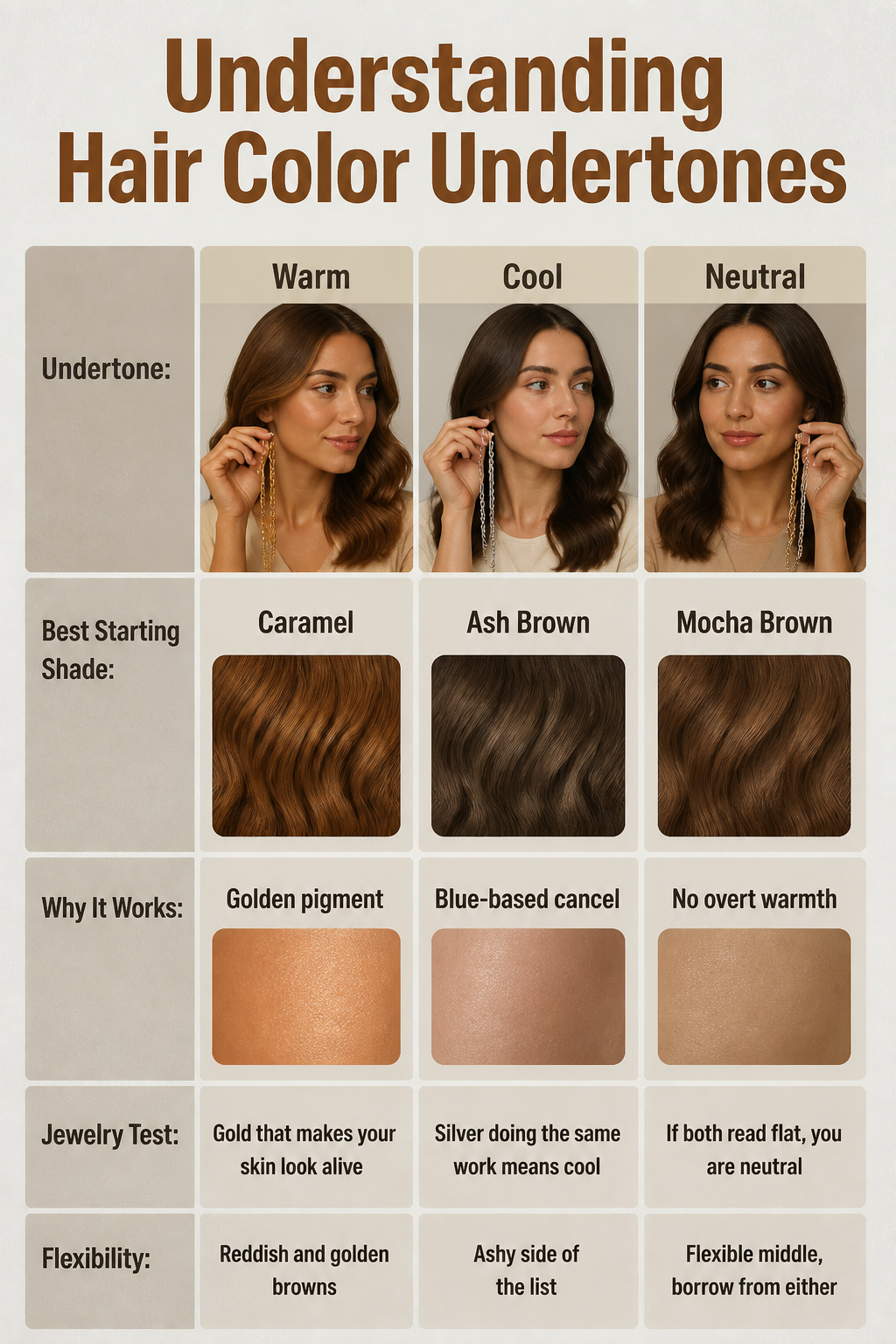
Figuring out your undertone is simpler than the online quizzes make it sound. Hold up something gold, then something silver.
Gold that makes your skin look alive means warm; silver doing the same work means cool. If both read flat, you are neutral, and that is its own advantage.
The seven shades sort cleanly once you know where you stand. Warm undertones take the reddish and golden browns: caramel, golden brown, chestnut.
Cool undertones need the ashy side of the list, ash brown and cool espresso. Neutral skin gets the flexible middle, mocha brown and balanced medium browns, plus the freedom to borrow from either camp without the color turning muddy.
| Undertone | Best Starting Shade | Why It Works |
|---|---|---|
| Warm | Caramel | Golden pigment picks up the same tone in skin |
| Cool | Ash brown | Blue-based cancel avoids brassiness |
| Neutral | Mocha brown | No overt warmth or coolness to fight against |
If you are still unsure after the jewelry test, start with a neutral brown.
It flatters everyone, and you can shift warmer or cooler at the next appointment once you see how the first round reads against your face in daylight.

PRODUCT ESSENCE: Temporary visible color refresh and shine-enhancing gloss treatment for refreshed salon color at home.

Vibrant Semi-Permanent Color Conditioner: A hydrating treatment hair mask that restores and colors your hair, it's simple right? Do it yourself at home! Infused with nourishing moisture and natural oils, achieve semi-permanent hair color results in just 15 minutes

Vibrant Auburn Color: Deposits rich Auburn tones with each wash for a refreshed or transformed look
Keeping the Color You Paid For
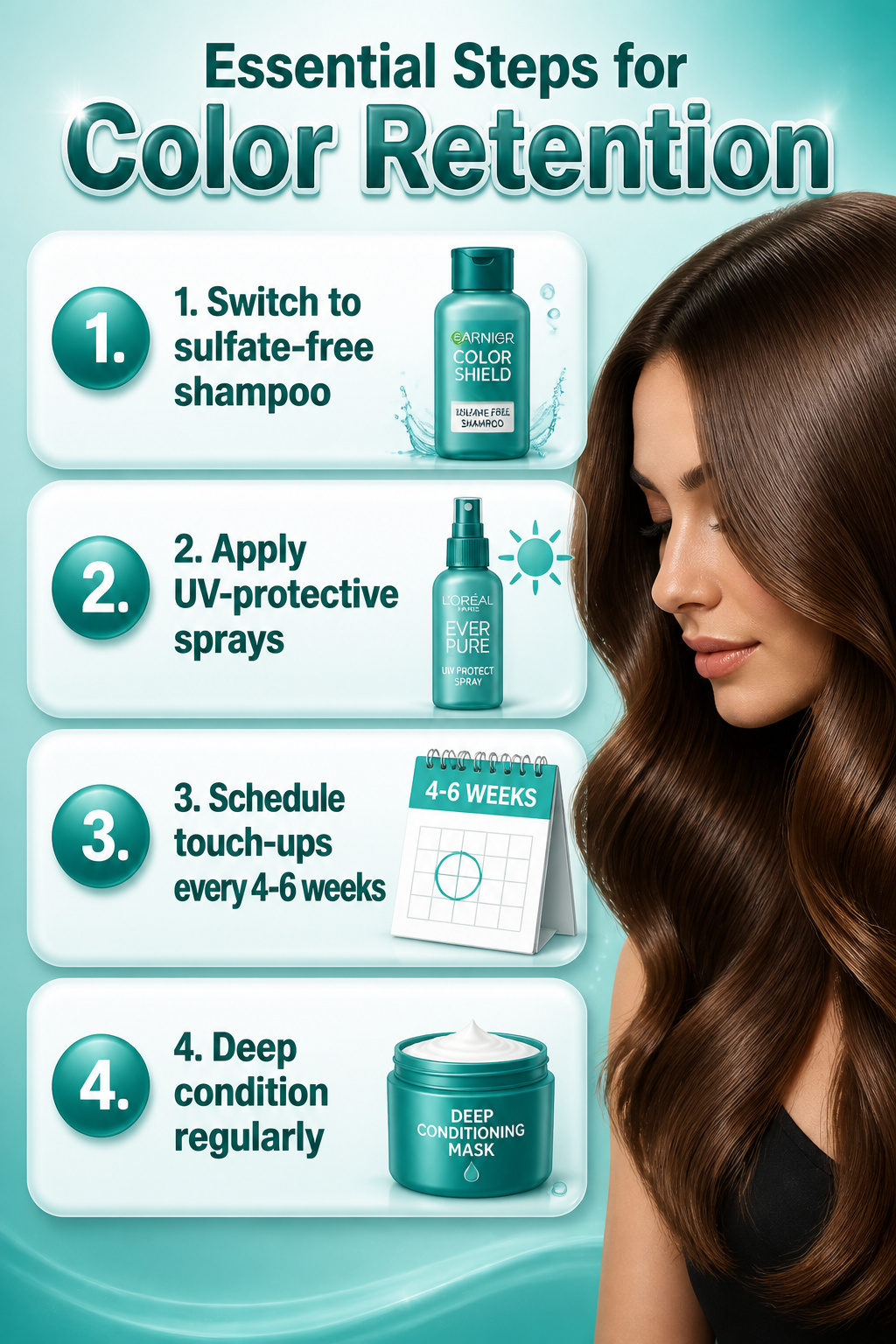
Sulfate-free shampoo is the first swap most colorists mention, and the advice holds up.
The Garnier Color Shield line skips the sulfates that strip brown dye molecules down the drain, and L’Oréal’s EverPure Bond Repair+ system pairs that gentleness with bond-strengthening claims for hair already weakened by processing.
UV-protective sprays matter just as much for brunettes as for blondes; summer sun doesn’t just lighten brown color, it shifts the tone muddy or brassy before the fade is even visible.
Permanent brown color wants a refresh every 4 to 6 weeks. Glosses move faster, needing touch-ups once or twice monthly to keep that freshly-toned depth.
I learned the timing the hard way after skipping one gloss appointment and watching a chocolate shade I loved flatten to dishwater within three weeks. Deep conditioning between appointments buys back the shine, not the color itself.
Moisture keeps the hair cuticle smooth so light reflects evenly, which reads as richer tone even as the pigment slowly slips.

Nothing Covers Gray Better: Excellence Crème is a Triple Care Color routine that deeply cares for your hair and covers 100% of grays, even stubborn ones. Hair color for gray hair coverage is formulated with Hyaluronic Acid to protect hair as it colors

Feria Is Multi-Faceted Permanent Hair Color: Known for shimmering color and edgy colors, Feria permanent hair dye kits transform hair from blah to brilliant; The Power Shimmer Feria Conditioner seals and smooths for lasting bold color that will turn heads

UNSTOPPABLE VIBRANCY TrueColorSeal Technology locks in color to help protect against water-fading, mazimizing vibrancy.
Dimension Without Damage
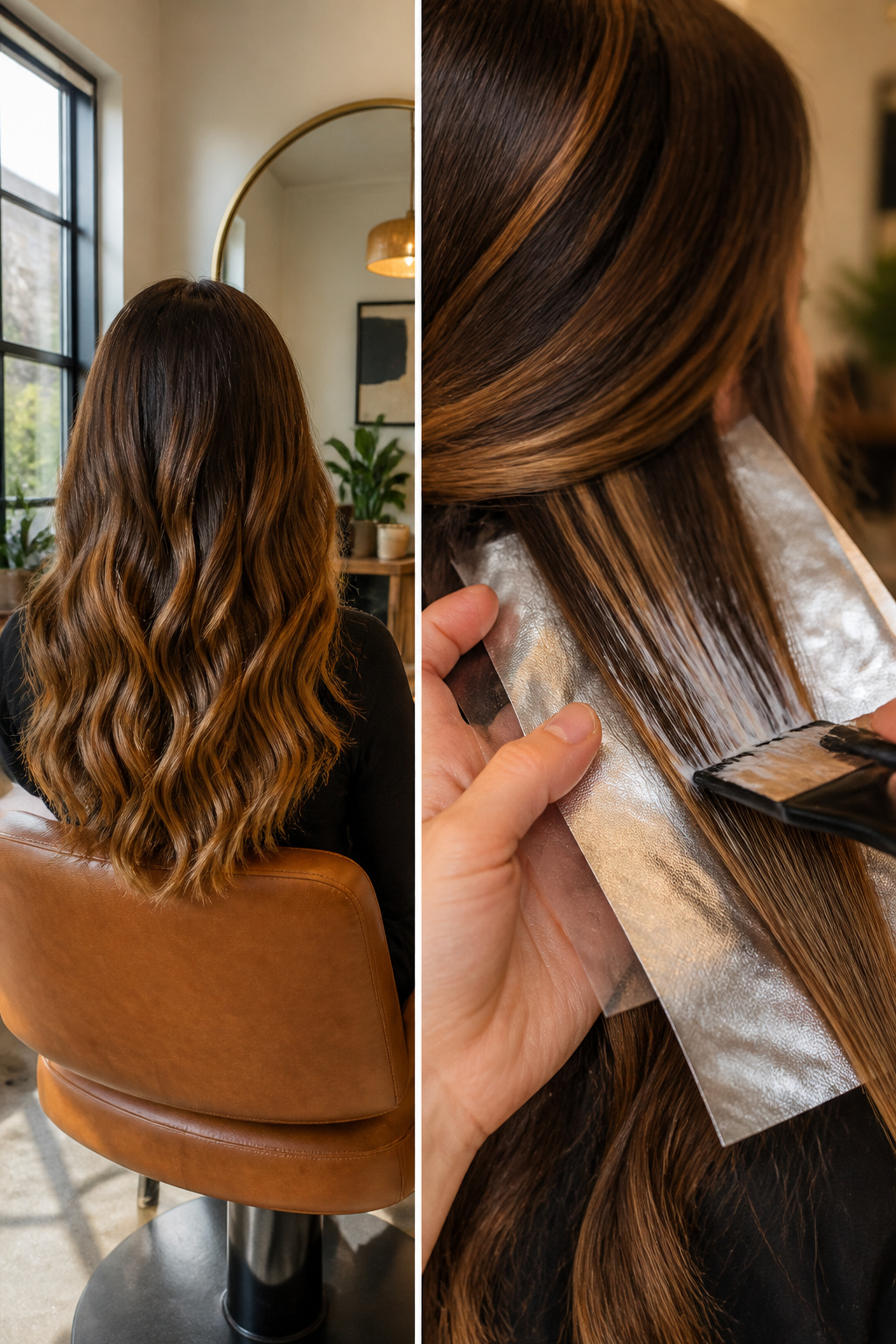
Balayage and face-framing highlights are the two techniques that keep brown hair from reading flat, and the difference between them matters more than most people expect.
Balayage means hand-painted lighter brown pieces scattered through the full head, which gives that sun-kissed effect without the stripey grow-out of old-school foils.
A neutral balayage in particular stays clear of brass or ash extremes, so it forgives a few weeks of skipped salon visits. Face-framing highlights, sometimes called money pieces, concentrate that brightness right at the front hairline.
The upkeep is minimal because the regrowth sits where your part naturally hides it.
Caramel brown takes both techniques especially well. The warm base already carries gold reflections, and balayage or those front ribbons push the luminosity higher without drifting into blonde territory.
What a salon session costs in time and money, at-home kits attempt to replace with boxed lighteners and sectioning clips.
The trade-off is control: hand-painting your own back layers rarely lands where you think it will, and neutral tones turn brassy fast if the developer sits too long.
For the seven shades this season, caramel and its neighboring warm browns reward the effort most visibly. Cooler, ash-leaning bases tend to fight the warmth that makes balayage look like natural light rather than a color accident.

Introducing New WELLA COLORCHARM Permanent Cream Hair Color - the perfect harmony of color and care.

Lasting Color with Show-Stopping Shine: Our rich, ultra-intense hair color with faceted tones offers vivid color intensity and added dimension. Designed to enhance your hair, it delivers high shine that complements a range of skin tones

Clairol Nice'n Easy 3 Brown Black. Permanent natural looking color with 100% gray coverage.
Frequently Asked Questions
What are some brunette shades for warm undertones?
Caramel, golden brown, and chestnut all carry the reddish and golden undertones that pick up the same warmth in your skin rather than fighting against it. The golden pigment in caramel especially mirrors what warm undertones already have going on.
Chocolate brown and cinnamon also work, since their cocoa and red bases make olive and warm complexions look lit from within.
What are some brunette hair colors for cool undertones?
Ash brown and cool espresso are the starting points, both built on blue-based pigments that cancel brassiness before it starts. Mushroom brown layers in deliberate silvery-gray notes that stay cooler longer as the color ages.
These shades read muted and modern because they strip out the warmth and yellow that most brunettes battle.
Which brown hair shades look best on neutral skin tones?
Mocha brown and balanced medium browns sit right in the middle, with no overt warmth or coolness to clash against.
Neutral skin also gets to borrow from either camp without the color turning muddy, though starting neutral lets you shift warmer or cooler at your next appointment once you see how it reads in daylight.
How can I remove brassy red tones from brown hair?
Reach for blue or purple toning products, which sit opposite red and orange on the color wheel and neutralize them.
Purple shampoo becomes non-negotiable once blonde pieces are in the mix, since brass is how at-home color usually announces itself as a mistake. A cool-down gloss every four to six weeks also keeps the cast where you want it.
Can I go from blonde to brown hair?
Yes, though the intensity depends on how light you are starting from. Fairer original hair often needs lowlights or all-over color to hit the exact brunette you want rather than a muddied version.
Ash brown in particular works well for this transition because sandy, dirty-blonde roots make the shift feel like a natural step down rather than a hard break.